
PrEP Aware Week – An Important Time for HIV Prevention
20 Oct 2026 by Lina Jordan in Ego, Excercise, General, Health, Health, Home, Pleasure
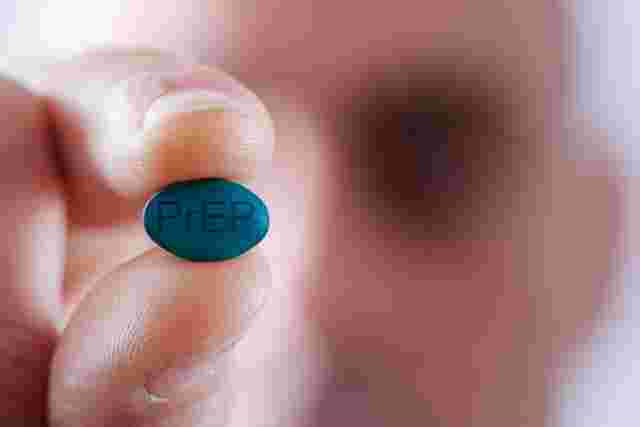
October 19–25 means PrEP Aware Week. Ahead of this important time AIDSVu released 2025 data on PrEP use across the United States, showing that its use continued to increase. Nationally in 2025 the number is over 644K people using PrEP for HIV prevention – a record high.
This 10% increase from 2024 to 2025 was the smallest annual increase observed in the past five years, signaling a potential slowdown in the nation’s progress toward expanding access to one of the most effective HIV prevention tools available.
The new data, available only on AIDSVu’s interactive maps, state and county profiles, and PrEPVu.org, provide a clearer picture of where PrEP use is increasing, where unmet need remains, and where funding and resources should be focused to expand its access and end the HIV epidemic.
PrEP, or pre-exposure prophylaxis, significantly reduces an individual’s chances of getting HIV. When taken as prescribed, PrEP is highly effective for preventing HIV and can reduce the risk of getting HIV by as much as 99%. Yet many people who could benefit from PrEP continue to face barriers to accessing it, including limited awareness of HIV and PrEP, stigma, provider availability, insurance coverage challenges, affordability, transportation barriers, and broader social determinants of health such as poverty and housing instability.
The 2025 PrEP use data show that progress in PrEP uptake continues to vary widely across regions and communities. The South accounted for 39% of PrEP users in 2025, while representing 52% of new HIV diagnoses in 2024. The region also had the lowest PrEP-to-Need Ratio*, indicating the greatest unmet need for PrEP.
The data also highlight persistent racial and ethnic gaps in PrEP use. In the South, Black people represented 48% of new HIV diagnoses in 2024 but only 23% of PrEP users in 2025. In the West, Hispanic people represented 51% of new HIV diagnoses in 2024 but only 25% of PrEP users in 2025. These disparities underscore the need for increased investment in accessible, culturally relevant HIV prevention education and services that are tailored to the needs of Black and Hispanic communities, as well as policies that address the structural barriers affecting access to HIV prevention.
 There’s a compelling personal story about HIV prevention, stigma, and the power of having the freedom to choose what’s right for your sexual health. “The Freedom to Choose: One Man’s Long Journey to PrEP” follows Leandro Rodriguez, a longtime HIV-prevention advocate who spent years educating others about sexual health before recognizing PrEP as an option for himself.
Despite his 25 years of experience working on LGBTQ+ issues and HIV prevention, Leandro initially felt that PrEP wasn’t for him. It took two broken condoms, two stressful courses of post-exposure prophylaxis (PEP), and a conversation with an HIV specialist for him to reconsider. His subsequent journey involved confronting stigma, navigating insurance barriers, and learning to see PrEP not as a restriction, but as a source of freedom and control over his sexual health.
Today, Leandro is candid about his experience and encourages others to advocate for themselves, ask questions, and recognize that PrEP is an option for anyone who could benefit from HIV prevention—not just gay men.
His story takes on added urgency in light of AIDSVu’s 2025 PrEP data, which show both progress and persistent inequities in access:
- PrEP use reached a record high: 644,170 people in the U.S. were using PrEP in 2025, a 10% increase over 2024—but the smallest annual increase in the past five years.
- Racial disparities persist: Black people accounted for 39% of new HIV diagnoses in 2024 but only 15% of PrEP users in 2025. Hispanic people accounted for 34% of new diagnoses but just 18% of PrEP users.
- Women remain underrepresented: Women accounted for just 10% of PrEP users in 2025, despite representing 20% of new HIV diagnoses in 2024.
Together, Leandro’s story and these findings offer a timely opportunity to explore why awareness alone is not enough. Stigma, culturally relevant education, provider communication, affordability, and insurance coverage can all determine whether people feel empowered to consider PrEP—and whether they can actually access it.
For more information visit PrEPVu.org

THIS ARTICLE IS WRITTEN BY

Related Posts
-

AID FOR...
On October 28, 2026,,
0 -

Manuel Turizo...
The National Football League,
0 -

Holiday Season...
The holiday season officially,
0 -

Glenfiddich x...
Marking the second year,
0 -

Miami Fashion...
Miami Fashion Week (MIAFW) celebrates its,
0 -

First Look:...
Sony Pictures’ AFFIRM Films,
0 -

The Latin...
The Latin Recording Academy announced,
0 -

The Latest...
For people living in,
0